
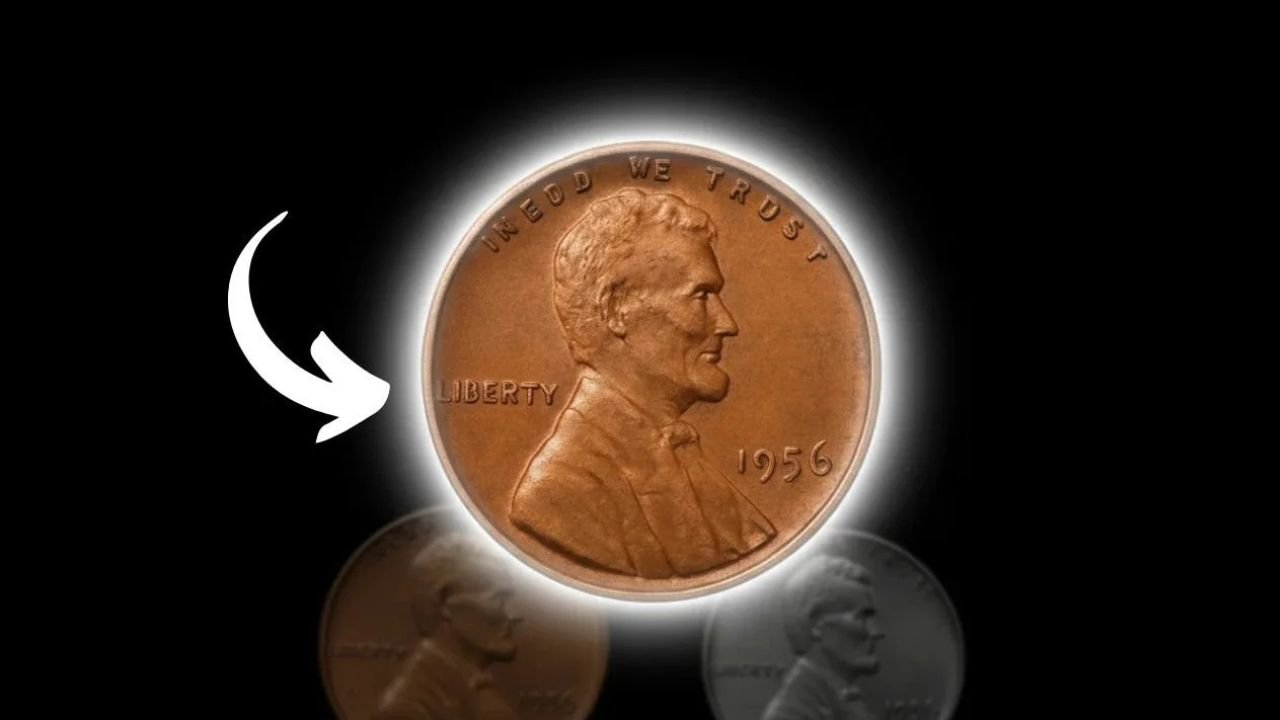
The Lincoln Wheat Penny, minted from 1909 to 1958, has fascinated collectors for more than a century. But over the past 10 years, the value of these historic coins has climbed steadily, turning common pocket-change pennies into prized collectibles. Whether you’re a seasoned collector or someone sorting through an old jar of coins, understanding the recent value trends can help you spot hidden treasures.
A Decade of Rising Value
Ten years ago, most Wheat Pennies were worth only a few cents above face value. Today, increased collector interest and growing online trading have boosted their prices significantly. Even average-condition pennies from the 1940s and 1950s now sell for 10–20 cents, while rare dates and mint errors can bring in thousands — even hundreds of thousands — of dollars.

What changed? A combination of stronger demand, better coin awareness through social media, and rising interest in historical U.S. currency.
The Most Valuable Wheat Pennies (The True “Dream Finds”)
While millions of Wheat Pennies exist, only a handful stand out as once-in-a-lifetime discoveries:
1909-S VDB
- Often called the “holy grail” of Wheat Pennies
- High-grade examples can exceed $100,000+
1914-D
- A rare Denver Mint issue
- Typically worth $5,000–$20,000, depending on condition
1922 “No D”
- A dramatic minting error without the “D” mint mark
- Collectors pay $10,000 or more for clean examples
1943 Bronze Penny
- Accidentally struck in copper instead of steel during WWII
- One of the most famous U.S. error coins, with values surpassing $200,000
These rare coins have helped push the Wheat Penny market into the spotlight over the last decade.
Market Trends: 2015–2025

From 2015 to 2025, Wheat Penny values have followed an upward curve influenced by:
- A surge in coin collecting during pandemic years
- The rise of online auction platforms
- Increased interest in precious metals and U.S. history
- Higher demand for certified, high-grade coins
Top-quality Wheat Pennies — especially those graded by PCGS or NGC — have seen their prices double in some cases within five years.
What Determines a Wheat Penny’s Value
When evaluating a Wheat Penny, collectors focus on four major factors:
1. Rarity

Low-mintage and error coins always command higher prices.
2. Condition
Uncirculated (Mint State) coins are worth far more than worn examples.
3. Mint Mark
Coins minted in San Francisco (S) and Denver (D) often have lower production numbers than Philadelphia.
4. Historical Importance
Early designs, transitional years, and wartime issues bring extra value.
Why Collectors Love Wheat Pennies
Wheat Pennies aren’t just valuable — they’re symbolic. They capture more than five decades of American history, from world wars to economic change. Many collectors describe finding a rare Wheat Penny as holding a tiny piece of the past.
Whether discovered in an old family collection or purchased at auction, these coins offer both sentimental value and financial potential.
FAQs – Value of Wheat Pennies (Past 10 Years)
1. What is the rarest Wheat Penny?
The 1909-S VDB is one of the rarest and most desirable in the series.
2. Are all Wheat Pennies valuable?
No. Most common dates are worth only a few cents, but rare years and mint errors can be worth thousands.
3. How do I determine my Wheat Penny’s value?
Check the year, mint mark, and condition. For accuracy, have it appraised by a professional or consult a coin grading guide.
4. Should I clean my Wheat Pennies?
Never. Cleaning coins can severely reduce their value.
5. Where can I sell Wheat Pennies?
Coin dealers, online marketplaces, auctions, and coin shows are the best options.
Conclusion: Tiny Coins With a Big Story
The past decade has proven that even the smallest pieces of currency can hold incredible value. Wheat Pennies remain a favorite for collectors—not just because some are worth thousands, but because they represent a piece of America’s story. As interest continues to grow, these classic coins will likely become even more valuable in the years ahead.
So don’t ignore that old jar of pennies. A dream find might be hiding inside.